

Kabarole Research and Resource Centre-Uganda (KRC-Uganda) is a well-established NGO operating countrywide in different regions of Uganda. Founded in 1996, with a research mission and a long-term commitment to understanding the measures and drivers of poverty and its solutions, KRC-Uganda has …
Our Programs
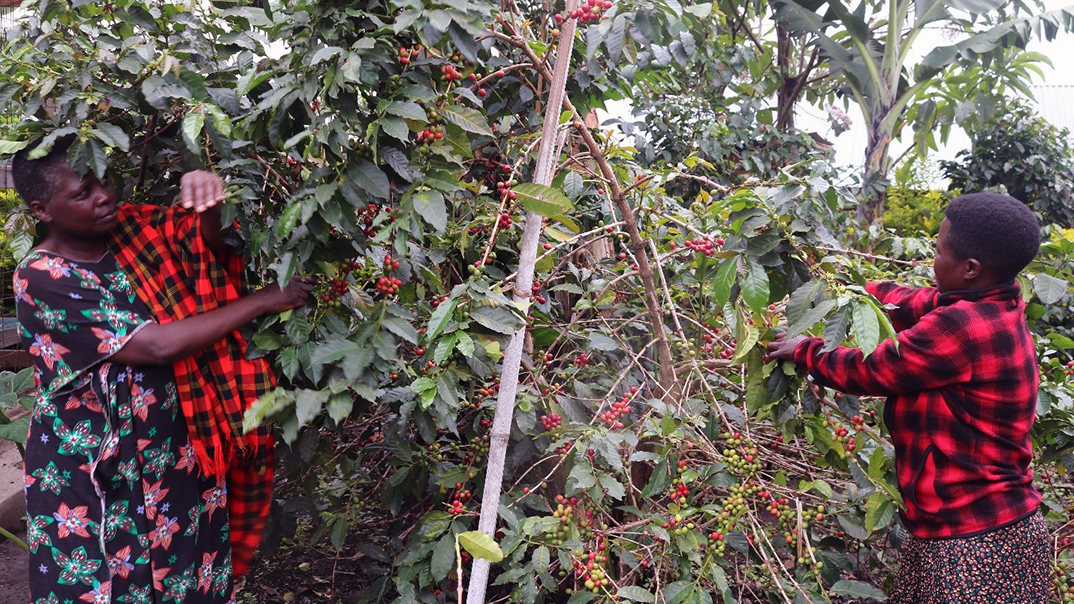
FAGREC Unit
This program plays a vital role in bolstering the efforts of farmers’ organizations by providing comprehensive support across various critical areas of agricultural development.
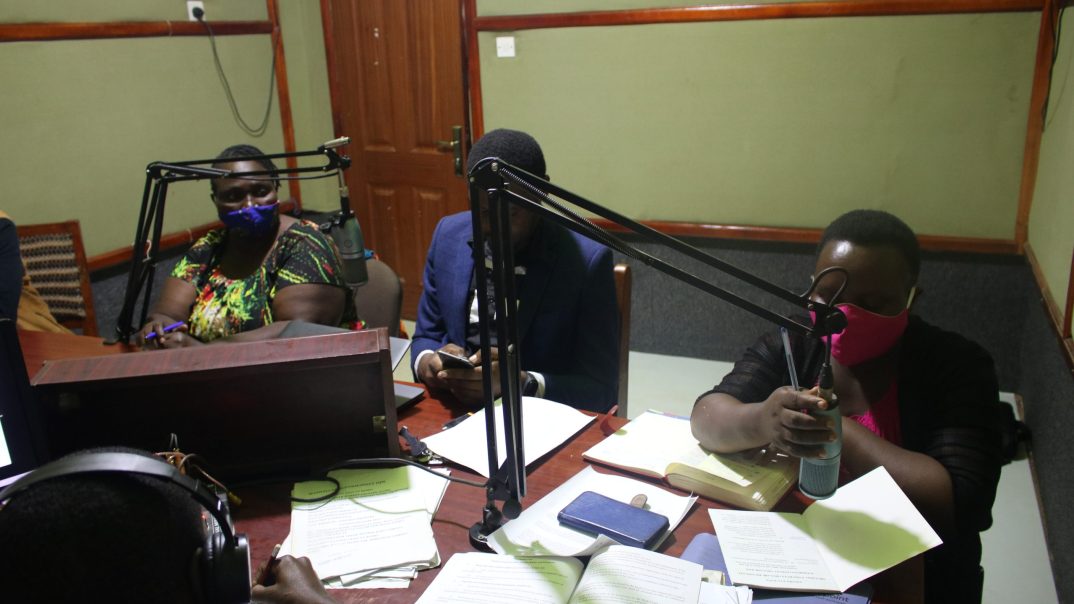
Information Research & Communications
Since its founding in 1996, KRC has stood by the philosophy that meaningful actionable data is the driver of successful and impactful development programs.
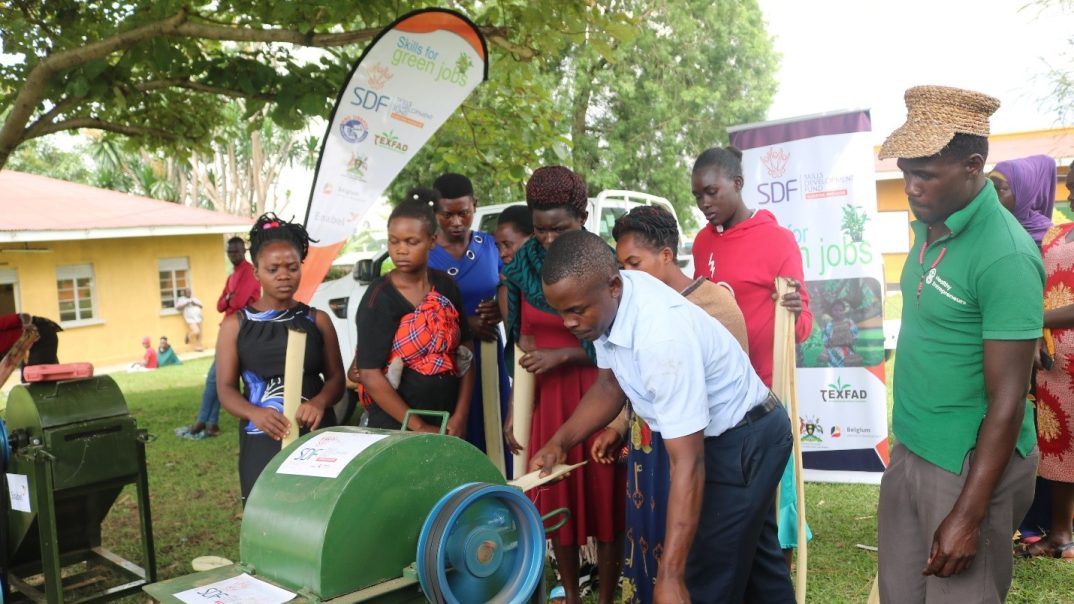
GPH Unit
KRC facilitate spaces for citizens to make their voices heard and exercise their democratic and civic rights. We work with governance structures with the aim of enhancing
Top
30 Years of Impact
KRC Uganda is celebrating 30 years of transformative community work, advancing research, advocacy, and inclusive development across Uganda.
Since 1996, we’ve empowered citizens, influenced policy, and championed social justice in areas like nutrition, livelihoods, climate resilience, gender equality, and civic education. As we mark this milestone, we reaffirm our commitment to building informed, self-reliant communities.
Thank you for being part of the journey.
…Click to Read More
News Articles
Enhance your knowledge about what is happening in the Rwenzori Sub Region
Get informed,
Stay Informed
… click to read more articles
Maintaining Sensitivity in this Election Cycle
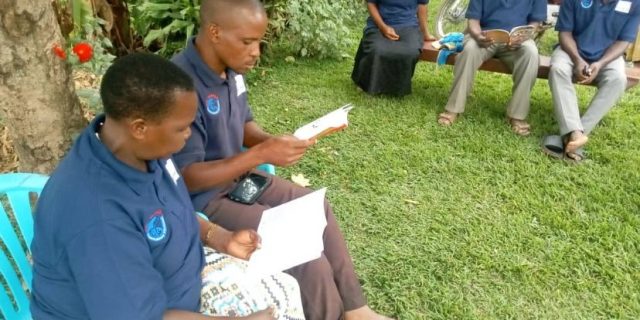
As the country approaches a heightened level of political activity, with each political party and candidate intensifying their campaigns, it is crucial for all actors to remain mindful of their conduct and the impact it may have on the peace and stability of our communities. Elections are an essential democratic process, but they also require a high level of responsibility from citizens, leaders, and institutions. Maintaining peace is not only the role of security agencies or electoral bodies it is a shared duty that involves every individual, whether directly or indirectly involved in politics. Vigilance during this period is necessary to ensure that no actor be it a candidate, supporter, or institution engages in actions that could undermine harmony or trigger conflict. Previous electoral cycles have shown that campaign seasons often come with challenges such as human rights violations, voter bribery, intimidation, and the spread of hate speech. Some of these actions are amplified by irresponsible use of media platforms, where misinformation, inflammatory language, and biased reporting escalate tensions. There have also been instances where opposition candidates faced restrictions or oppressive tactics that eroded public trust in the fairness of the process. It’s quite unfortunate that in this election, we are already seeing some of these actions happening. Beyond the political arena, these tensions frequently spill over into homes and communities. Families have experienced conflict arising from disagreements over political choices, with cases of domestic violence linked to disputes about which candidate to support. Communities sometimes become divided along political lines, creating an atmosphere where intolerance thrives and people feel isolated simply because they hold a different opinion. In some cases, support for candidates becomes rooted in tribal or ethnic identity rather than policy priorities or leadership qualities, deepening social divisions. It is essential that citizens approach this election season with maturity, restraint, and respect for differing views. Political competition should never be a justification for violence, discrimination, or the breakdown of relationships. Instead, it should be a platform for constructive dialogue, civic participation, and informed decision-making. Media actors should prioritize responsible reporting and avoid fueling tensions, while leaders should set the tone by promoting unity, tolerance, and respect. A peaceful campaign period requires collective effort. Communities should encourage dialogue and mutual understanding. Institutions must safeguard rights, enforce laws impartially, and ensure that electoral processes remain transparent and credible. Candidates should focus on issues, policies, and solutions rather than divisive rhetoric. Citizens should reject bribery, resist manipulation, and insist on fairness. Ultimately, the goal is to safeguard the stability of the Rwenzori region and the country at large and preserve the social fabric that binds us. Peaceful elections pave the way for meaningful development, strong governance, and a nation where differences are respected. This season provides an opportunity to demonstrate that political diversity can coexist with unity, and that democratic participation can take place without violence or hatred. Compiled by Kihumuro Ainebyona Project Officer GPH
9. Dec 2025
Newsletter November 2025
The rising incidence of Fascioliasis in Kabarole calls for urgent, collective intervention. Farmers, veterinary officers, extension workers, and local leaders must mobilize around an integrated strategy that includes improved diagnosis, targeted deworming, grazing management, and environmental control measures. KRC–Uganda is committed to working with these stakeholders to strengthen awareness, enhance surveillance, and promote evidence-based interventions that protect both animal health and household livelihoods.Meet Niyitangas Barisesa Didier, a 29-year-old refugee from Congo living in Simbili, Uganda, who faced unimaginable challenges as a father of twins. When his wife gave birth to their children, their lives became a struggle for survival. With no income, food, or land, Didier’s anxiety about providing for his family took a toll on his relationships. The tension and despair in their home seemed unbearable. Through the BE THERE sessions, Didier gained valuable skills to manage his anger and communicate more effectivelywith his wife. He learned to see things from her perspective and understand the importance of his attention in his children’s growth. Kulea Watoto, a project dedicated to improving early childhood development and strengthening livelihoods in refugee and host communities, recently held a food and cooking demonstration funded by the Kyegegwa District Local Government. The event showcased practical cooking techniques and nutritious recipes using affordable, locally sourced ingredients. This initiative supports Kulea Watoto’s broader goals of fostering responsive caregiving, enhancing early learning, improving household economic well being, and expanding income-generation opportunities. By equipping families with practical knowledge, Kulea Watoto continues to build resilient, empowered, and self-reliant communities.As parents, we want the best for our children. Positive parenting offers a powerful approach to raising happy, confident, and well adjusted kids. By focusing on empathy, communication, and mutual respect, we can create a safe and supportive environment that fosters healthy development. By embracing positive parenting principles, we can help our children thrive and reach their full potential.Let’s prioritize positive parenting and give our children the gift of a happy, healthy childhoodRefugee settlements often experience immense pressure on already limited services. Water, food, healthcare, education, and livelihood opportunities rarely meet the growing demand. Many refugees must make difficult daily choices whether to save water for drinking or washing, or whether to send a child to school or rely on them to earn a small income. These tough decisions reflect the reality of living in environments where resources cannot match the needs of expanding populations. click here to read newsletter
5. Dec 2025
NEWSLETTER OCTOBER 2025
Kabarole Research and Resource Centre (KRC-Uganda) marked a historic milestone by hosting His Majesty Oyo Nyimba Kabamba Iguru Rukidi IV, the King of Tooro, at its Booma offices. His Majesty graced the occasion as the Guest of Honour during the official launch of KRC TV a groundbreaking platform dedicated to advancing community knowledge, innovation, and sustainable development. In his visit, the King also officiated the unveiling of KRC-Uganda’s flagship innovations, including the Bio-Refinery, Eco-Save Technology, and the Orugali Concept all aimed at promoting environmental sustainability, traditional and indigenous foods, and community resilience. This momentous event not only underscored KRC-Uganda’s commitment to transforming livelihoods through research and innovation but also reflected the Tooro Kingdom’s shared vision of inclusive growth and technological advancement.Jared Mugisa reflects on his experiences and key lessons learned from the recent SAM Conference, offering insights that will shape KRC-Uganda’s ongoing interventions on inclusion and access to finance. These reflections are particularly relevant as KRC continues to address the pressing socio-economic and environmental challenges faced by smallholder farmers. Through its diverse programs, KRC-Uganda facilitates processes that promote sustainable food systems, empowering communities to access nutritious, safe, and healthy foods while strengthening their economic resilience. This mission strongly resonated throughout the conference from the thematic sessions to the Innovators’ Village and the Investor Fair affirming KRC’s commitment to building an inclusive and sustainable rural economy.Eric Oteba represented KRC-Uganda during the press conference ahead of annual Rwenzori Indigenous Seed and Food Fair in FortPortal City Organized by the Rwenzori Region Agroecological Actors Platform (RAAP). Oteba emphasized the critical role of agroecology in enhancing nutrition and food security, underscoring KRC-Uganda’s ongoing commitment to preserving indigenous seeds and strengthening traditional food systems. Through these efforts, KRC continues to champion a model of development rooted in sustainability, resilience, and respect for local knowledge ensuring that the legacy of indigenous crops remains a foundation for healthier and more self-reliant communities.In this edition, we highlight the Vanilla Care Group Model (VCG) that KRC-Uganda has adopted to strengthen collaboration and learning among vanilla farmers. This innovative approach serves as a vital platform for knowledge exchange, collective action, and enhanced productivity within farming communities. Through these care groups, farmers are empowered to share experiences, access training opportunities, and adopt practical innovations that improve both the quality and quantity of their vanilla yields. By fostering peer learning and community-driven solutions, the model not only boosts livelihoods but also promotes sustainable and resilient agricultural practices across the Rwenzori region Click to read Newsletter
5. Nov 2025
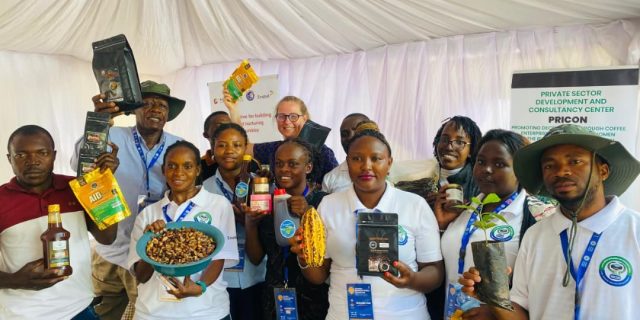
KRC-Uganda Drives Innovation and Market Visibility at UMA Trade Fair
Participation in national exhibitions provides an important avenue for promoting innovation, entrepreneurship, and local enterprise. From 5th to 10th October 2025 KRC-Uganda, through the VIBRANT Project, proudly exhibited at the 31st Uganda Manufacturers Association (UMA) International Trade Fair held at the UMA Showgrounds in Lugogo. The event offered a dynamic platform to showcase the richness of Ugandan vanilla and the creativity of youth craft enterprises from the Rwenzori Region. The KRC-Uganda exhibition booth attracted more than 150 visitors, including farmers, traders, donors, exporters and government representatives. Through interactive sessions, visitors learned about vanilla value addition from curing and processing to the production of high-quality vanilla paste, powder, and caviar. Despite Uganda’s local vanilla consumption remaining at about 1%, there was clear enthusiasm and curiosity about how to make the product more accessible to local markets. During the six-day exhibition, the team successfully sold 10 kilograms of cured vanilla, 300 grams of caviar worth UGX 60,000, 400 grams of vanilla paste worth UGX 80,000, and 400 grams of vanilla powder worth UGX 70,000, earning a total of over UGX 1.2 million. These sales not only reflected strong public interest but also demonstrated the potential of Uganda’s vanilla industry when supported by strategic marketing and attractive packaging. The event also generated valuable discussions on how to improve marketing and pricing strategies for both vanilla and crafts. Visitors emphasized the importance of introducing smaller, affordable packaging for local buyers and enhancing product presentation to appeal to broader market segments. KRC-Uganda intends to integrate these insights into its future marketing plans, ensuring that pricing remains competitive while sustaining quality and profitability for farmers and youth entrepreneurs. Alongside the vanilla products, the booth featured an impressive display of youth craft products that captivated both national and international visitors. These crafts showcased the creativity, innovation, and determination of young people supported by KRC-Uganda’s Youth Hub enterprises. Their integration with vanilla products at the exhibition underscored the importance of inclusive economic empowerment and the power of youth innovation. A highlight of the exhibition was a visit from Lucie Carlier, the Project Manager Social Protection and Decent Work, who expressed deep appreciation for both the vanilla products and the youth crafts. She commended the creativity, collaboration, and professionalism demonstrated by the KRC-Uganda team and their partners, noting that such initiatives reflect the positive impact of the VIBRANT Project in empowering communities and promoting value addition. The participation at the UMA Trade Fair enhanced KRC-Uganda’s visibility, strengthened partnerships with key institutions such as ENABEL, UNBS, and URSB, and created new market linkages with exporters and private traders. More importantly, it reaffirmed the organization’s commitment to building resilient livelihoods through innovation, enterprise, and collaboration. As KRC-Uganda looks ahead, the experience gained from the UMA Trade Fair will guide future strategies focusing on improved packaging and labeling, enhanced pricing models, and continued participation in trade events to sustain visibility and market growth. The event was not only a success in sales and networking but also a testament to the power of creativity, teamwork, and belief in Uganda’s potential to thrive through local enterprise. Compiled by Carol Namagembe Production and Marketing Officer, VIBRANT
4. Nov 2025